The Habits of Repair
Repair is not a moment but a habit, the quiet, daily practice of restoring what matters in our homes, communities, character, and culture. The Repair Manual begins the work of rebuilding these rhythms of care.
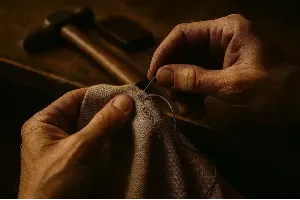
Repair is not a moment. It is a habit.
It is not dramatic.
It is daily.
The work of repair is not reserved for crises. It is the quiet, ongoing practice of restoring what matters: in our homes, our communities, our character, and our culture.
If The Workshop laid the foundation, The Repair Manual begins the daily work.
I. What Repair Actually Means
Repair is not restoration to perfection.
It is restoration to function.
It is the act of saying:
“This still matters.
This can be made whole enough to serve again.”
Repair is not cosmetic.
It is structural.
II. The Cultural Drift from Repair
Modern life has trained us to:
- replace instead of restore
- outsource instead of learn
- consume instead of maintain
- discard instead of preserve
The result is a society that knows how to acquire, but not how to care.
Repair is the antidote.
III. The Habits That Sustain Repair
Repair is not a heroic act.
It is a rhythm.
Here are seven habits that sustain it:
1. Attention
Repair begins with noticing: the crack, the drift, the fray.
Most damage is ignored before it is addressed.
2. Stewardship
Repair requires ownership.
You must believe it is your role to care for what others overlook.
3. Patience
Repair is slow.
It requires repetition, trial, and quiet persistence.
4. Skill
Repair demands competence.
Not perfection, but enough mastery to restore function.
5. Memory
Repair honors what came before.
It does not erase history. It builds upon it.
6. Foresight
Repair is not just backward-looking.
It prepares for future use, future wear, future transmission.
7. Dignity
Repair is not low-status.
It is the work of those who care enough to act.
IV. Why Habits Matter More Than Moments
A society cannot be repaired by slogans or summits.
It is repaired by:
- the father who fixes the fence
- the neighbor who checks on the widow
- the young man who learns to sharpen a blade
- the elder who teaches a skill
- the community that gathers to clean, mend, and maintain
These are not dramatic acts.
They are habits.
V. The Foundry’s Mandate
The Foundry exists to restore the habits of repair, not as lifestyle branding, but as civilizational maintenance.
We believe:
- Repair is not reactive. It is rhythmic.
- Habits matter more than headlines.
- Dignity is built through daily care.
- Skill is not optional. It is formative.
- The future belongs to those who maintain what they inherit.
The habits of repair are not theoretical.
They are practical, repeatable, and within reach.
This is the work ahead.
This is the work of The Repair Manual.